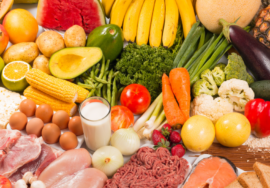
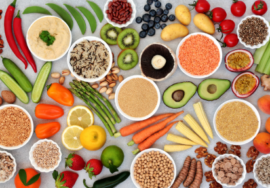
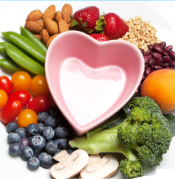
The phrase “Eating the Rainbow” is often tossed around within the topic of healthful eating. But what does this really mean? Fruits and vegetables come in a wide range of vibrant colors which can be signals for very important healthful benefits that these foods can provide. The colors often will correspond to different types of vitamins, minerals, and phytonutrients. This method of eating will encourage consuming more nutrient dense meals while creating a colorful and lively looking plate.
By “Eating the Rainbow”, you may incorporate a variety of antioxidants into your diet. Antioxidants aid your body in the protection of its cells from damage caused by free radicals. Each color is also an indicator of different antioxidants that will be provided by that fruit or vegetable. When incorporating a variety of fruit and vegetable colors into your diet, you will ensure that you are consuming a wide range of these different antioxidants.
This method of eating will encourage the prevention and reduction of the risks for many different chronic diseases. When incorporating a variety of colorful fruits and vegetables into your daily diet you may lessen your risks for developing heart diseases, type 2 diabetes, and certain types of cancers.
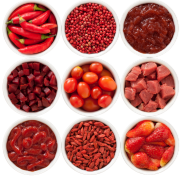
RED:
Red fruits and vegetables contain a compound called lycopene. This gives the plant its vibrant red color, is a powerful antioxidant, and offers anti-inflammatory properties. This compound can help to protect cells and support heart health. Red foods typically are rich with vitamin C which aids immune functions.
SOURCE:
Strawberries
Tomatoes
Raspberries
Beets
Apples
Red Pepper
Red Onion
Cranberries
Watermelon
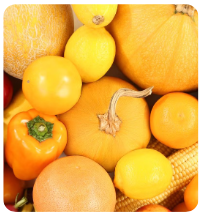
ORANGE & YELLOW:
Orange and yellow fruits and vegetables contain carotenoids and are high in vitamin C. Carotenoids give the fruit or vegetable their orange and yellow colors. They also act as a powerful antioxidant. There are several different types of carotenoids, but beta-carotene is a common one seen amongst yellow and orange foods. They offer intracellular communication and may prevent heart disease.
SOURCE:
Carrots
Oranges
Sweet Potatoes
Mango
Pineapple
Yellow Pepper
Apricots
Peaches
Corn
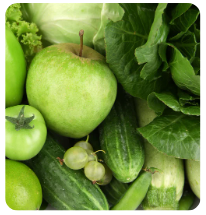
GREEN:
Green fruits and vegetables contain cancer fighting compounds such as sulforaphane, isothiocyanates, and indoles. These compounds work to inhibit carcinogens, which are cancer-causing compounds. Green fruits and vegetables are also typically high in vitamin K, potassium, and antioxidants.
SOURCES:
Avocados
Broccoli
Brussel Sprouts
Kale
Collard Greens
Kiwi
Asparagus
Green Tea
Herbs
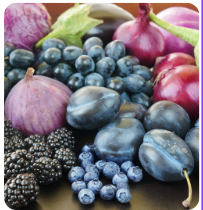
BLUE & PURPLE:
Blue and purple fruits and vegetables contain antioxidants and a compound called anthocyanins. Anthocyanins can aid in proper brain health, improve memory, and help to lower blood pressure. They also promote heart health by prohibiting the formation of blood clots.
SOURCES:
Blueberries
Blackberries
Eggplant
Plumes
Figs
Prunes
Purple Cabbage
Grapes
Raisins
Elderberries
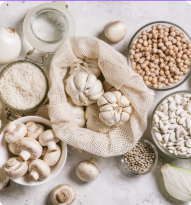
WHITE & BROWN:
White and brown fruits and vegetables contain a compound called allicin, which has anti-tumor properties. They are also typically really high in potassium which can reduce muscle cramping. These foods have also been shown to reduce cholesterol and risks of stomach cancer.