CREATING A HEALTHY FOOD ENVIRONMENT
Creating a healthy food environment at home is a powerful tool in promoting healthful eating habits, creating positive relationships with food, and to encourage improvements in your overall well-being. A healthy food environment will motivate you to constantly partake in a healthy lifestyle without having to make much effort to do so. It is not just about eliminating treats from the home or creating strict rules. It actually involves making healthier choices easier, consistent, and more enjoyable. This article will offer strategies to create a supportive and sustainable healthy food environment in your home.
WHY YOUR FOOD ENVIRONMENT MATTERS
Your home or living space is where you spend a lot of your time and influences the choices that you make everyday. It is true that your surroundings can affect your behaviors, especially those toward foods and healthful eating. A healthy food environment in your home will allow everyone to be more mindful of their food consumption, and develop long lasting habits that will ensure continuous healthful eating for the long term.
MAKING INDIVIDUAL PORTIONS
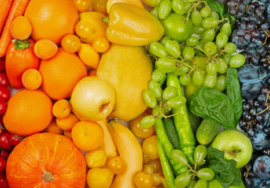
We tend to gravitate towards what is readily available and easy to access. By having healthful foods out and visibly within reach, you can encourage the increased consumption of more fruits and vegetables. Try keeping fresh fruits and vegetables out on the counter or table in large bowls. This is great for a quick grab and go snack, or as a sweet and healthy treat option. Some great fruit and vegetable options to leave out would be apples, pears, nectarines, peaches, avocados, oranges, cherry tomatoes, and bell peppers.
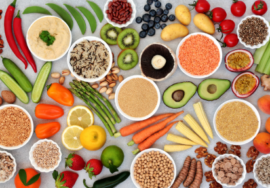
After coming home from the grocery store immediately wash, cut, and prep fruits and vegetables that will be stored in the fridge. Sometimes we choose not to eat certain things because it requires us to prepare the produce before eating. Preparing fruits and vegetables beforehand can offer a grab and go snack option, or an easy way to have meal ingredients ready to use. Try washing, cutting, and storing produce such as strawberries, cucumbers, carrots, celery, and broccoli.
CREATE DESIGNATED PLACES FOR EATING
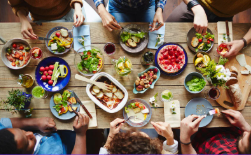
While eating in your bedroom or on the couch watching tv might seem relaxing and fun, this can actually be the culprit of grazing and overeating. Since we are mindlessly eating it can often lead to over consuming and unhealthy food choices. It is important to have set places for eating, such as the kitchen table, to avoid overeating and promote positive mealtime habits. When meals are eaten at the table without distractions you are more likely to listen to your body and pay attention to feelings of hunger and fullness. Also, sitting up right at the table will also promote better digestion.
PLAN AHEAD AND AVOID TAKEOUT
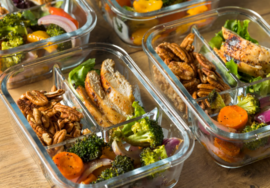
Trying to balance everyone’s busy schedules preparing meals can seem like a hassle and take too much time out of a hectic day. It is easy to fall into the habit of ordering takeout often, which can lead to the consumption of heavy and high calorie dishes. To avoid this try using weekly meal planners and grocery lists. You may also batch cook meals on the weekend, freeze and store them, then reheat the dishes throughout the week to ensure that you are ready to eat healthy meals.
ENCOURAGE A POSITIVE RELATIONSHIP WITH FOOD
Building a positive relationship with food is crucial for your physical and emotional health. You can start by changing your speech about food. Labeling foods as “good” or “bad” can potentially create fear or shame around eating. Try saying phrases such as “everyday foods” or “sometimes foods” in order to use more neutral language about food. You may also try talking about the benefits of each food instead of just labeling them as “good”. For example you may say “these carrots are good for your eyes”.
Try to avoid using food as a reward or punishment. Using sweets as rewards or withholding food when bad behavior is present can convey that some foods are more important than others, and can lead to emotional eating. Try using non-food rewards such as stickers, going out, or praise. Celebrate efforts by getting excited when someone tries a new food or finishes their meal.