NUTRITION FOR INFLAMMATION: WHAT TO EAT AND WHAT TO AVOID
Chronic inflammation is a major contributor in the development of chronic diseases, including diabetes, heart disease, and certain types of cancers. While acute inflammation is our body’s protective response and helps the body heal from injury and illness, a state of chronic inflammation that lasts for a long period of time can damage tissues and organs causing the body to weaken. One of the best ways to avoid chronic inflammation is through diet changes. The foods that we eat can either help to combat inflammation or be the sole reason why it is happening in the first place. This is why it is important to understand what foods might be causing inflammation and what foods can help to understand triggers and fight chronic inflammation.
WHAT IS INFLAMMATION?
Inflammation is a natural response our body’s have towards injury, infection, or illness. It actually works to aid the body in its healing process by increasing blood flow and signaling immune responses to the affected area. When inflammation becomes chronic, it is often triggered by poor lifestyle habits, stress, environmental factors, and unhealthy daily diets. Chronic inflammation often leads to cellular damage and an increase in the risk of developing a chronic illness.
FOODS TO LIMIT AND AVOID
When trying to lessen one’s inflammation, it is important to start by considering what foods might actually be causing chronic inflammation. By having a better understanding of what inflammation triggers might be in your diet, you can learn to avoid and limit these trigger foods in order to stop the root cause of inflammation altogether. Here are five examples of common trigger foods that might be causing inflammation.
- Refined Carbohydrates and Added Sugars
- Refined carbohydrates are stripped of their fiber, vitamins, and minerals. This can cause rapid spikes in blood sugar and insulin levels. Frequent blood sugar spikes can lead to oxidative stress and inflammation.
- Added sugars increase levels of pro-inflammatory cytokines
- Examples: White Bread, Pastries, White Rice, Sugary Cereals, Cookies, and Soda
- Processed and Fried Foods
- These foods are often cooked in hydrogenated oils and high temperatures. This creates compounds like AGEs and Trans Fats.
- Typical frying oils have high levels of Omega-6 fatty acids which are pro-inflammatory in high dosage. Often consumption is also associated with gut microbiome imbalance.
- Examples: French Fries, Fried Chicken, Doughnuts, Chips, Frozen Pizzas, and Fast Foods
- Artificial Additives and Preservatives
- Most processed foods contain synthetic ingredients that are used in order to make a more “shelf stable” product. Certain additives can disrupt gut bacteria and cause inflammation.
- It is common that individuals might have a sensitivity or immune reaction to different preservatives and artificial colorings
- Examples: Monosodium Glutamate (MSG), Sodium Nitrite, Artificial Sweeteners, and Food Dyes
- Excess Omega-6 Fatty Acids
- Omega-6 Fatty Acids are essential to the diet, but our modern diets are way too high in this compound and too low in Omega-3 Fatty Acids. This then throws off our body’s Omega-6 and Omega-3 ratios, contributing to inflammation.
- Examples: Corn Oil, Soybean Oil, Processed Snacks, and Salad Dressings
- Excessive Alcohol Intake
- Increases intestinal permeability (“leaky gut”) which then allows toxins to enter the bloodstream, causing inflammation.
- Impairs liver function which causes the buildup of inflammatory byproducts.
FOODS TO HELP COMBAT INFLAMMATION
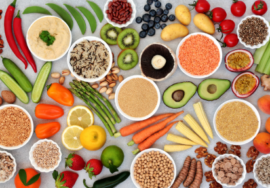
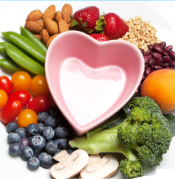
Now that you are aware of some foods that might be causing your inflammation, you can now work on adding some foods into your diet that will help to lessen the inflammation. One of the best approaches to reducing chronic inflammation is to create a sustainable and balanced diet that is based on whole foods and nutrient dense meals. You can bring down your chronic inflammation by nourishing your body with foods that naturally regulate immune functions, protect cells from damage, and support overall good health. Here are 6 foods and beverages that can help you lower chronic inflammation.
- Whole/Plant Based Foods
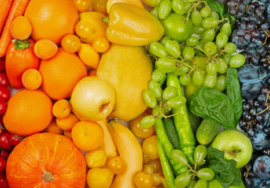
- Plants contain fiber, antioxidants, and phytochemicals that actively fight inflammation and contribute to a healthy gut microbiome.
- Aim for 5 servings of colorful fruits and vegetables each day.
- Healthy Fats
- Unsaturated fats help combat inflammation by aiding in hormonal regulation.
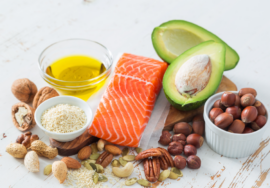
- Omega-3 Fatty Acids: Reduces inflammatory markers, supports brain and heart health, and may alleviate joint pain.
- Examples: Salmon, Sardines, Mackerel, Flaxseeds, Chia Seeds, Walnuts
- Monounsaturated Fat: Helps to improve cholesterol levels and reduces oxidative stress.
- Examples: Avocados, Extra Virgin Olive Oil, Olives, Almonds
- Whole Grains (NOT Refined)
- High fiber content feed the good gut bacteria, reducing inflammation
- Helps to stabilize blood sugar and prevent insulin spikes in order to avoid inflammation
- Examples: Oats, Brown Rice, Quinoa, Farro, Barley
- Herbs and Spices
- These are small aspects to an anti-inflammatory diet, but offer huge benefits. Spices contain different bioactive compounds that are anti-inflammatory.
- Examples: Turmeric, Ginger, Garlic, Cinnamon, Oregano, Rosemary
- Probiotic, Prebiotic, and Fermented Foods
- A healthy gut is important for controlling inflammation. A balanced microbiome can produce short-chained fatty acids (SCFAs) that help regulate immune responses.
- Probiotic rich foods enhance the production of anti-inflammatory compounds and improve mood and immune health through the gut-brain axis
- Examples: Plain Greek Yogurt, Kefir, Kimchi, Sauerkraut, Miso, Onions, Garlic, Leeks, Oats
- Antioxidants-Rich Beverages
- Some plant based drink sources offer an abundance of polyphenols and antioxidants that reduce free radicals and calm inflammation.
- Examples: Green Tea, Matcha, Turmeric Tea, Ginger Tea, Black Coffee
- Hydration
- Proper hydration can help to flush out toxins, support cellular health, and keep inflammatory pathways under control.