WINTER PRODUCE: EATING FRESH THROUGH THE COLD SEASON
As the cold temperatures come, it might seem as though fresh produce can be hard to come by. However, winter provides its own selection of flavorful and nutrient dense produce. Eating seasonally during the winter months supports local agriculture and provides produce that is rich in vitamins and minerals, which are also essential for the cold and flu months.
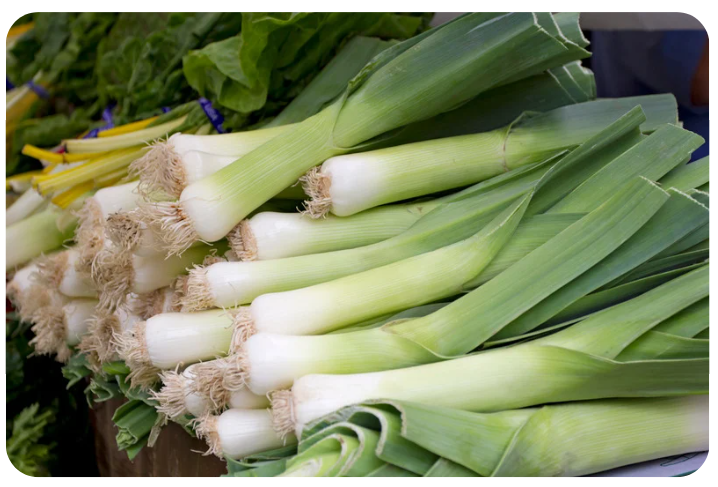
LEEKS:
Leeks are high in vitamin K, vitamin C, B6, and are a great source of magnesium, iron, and copper. Choose firm and crisp stalks with as many white and green areas as possible. Avoid ones with yellow or withered tops. Serve roasted, in salads, as a side dish or garnish, and in soups and stews.
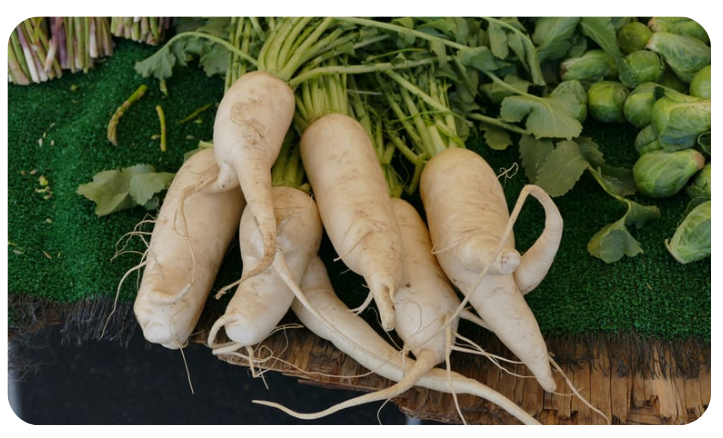
PARSNIPS:
Parsnips are a great source of fiber, folate, vitamin A, and C. They may also contribute to a lessened risk of cancer. Some of the best ways to prepare parsnips are roasted, mashed, puree, airfried, and in soups and stews.
SWEET POTATOES AND YAMS:
Sweet potatoes and yams are a great source of vitamin A, C, fiber, and potassium. They can be used as a great ‘french fry’ alternative in the airfryer, baked, roasted, mashed, or in baked goods.
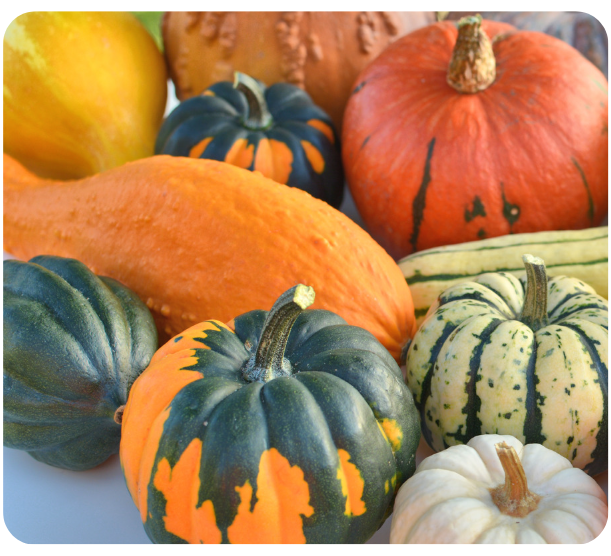
WINTER SQUASH:
‘Winter squash’ is a general categorization for the different squash varieties that are common during the winter months. Some of these varieties include butternut, acorn, kabocha, pumpkin, and spaghetti squash. They are rich in antioxidants, fiber, potassium, and vitamin C. Can be served stuffed and roasted, in pastas or risotto, puree, mashed, and in soups and stews.
RUTABAGA:
Rutabaga are high in fiber, manganese, B6, potassium, and vitamin C. It is a cool weather root vegetable that is a natural hybrid of cabbage and turnips. Can be served mashed, cubed and roasted, cooked wedges, on salads, and in soups and stews.